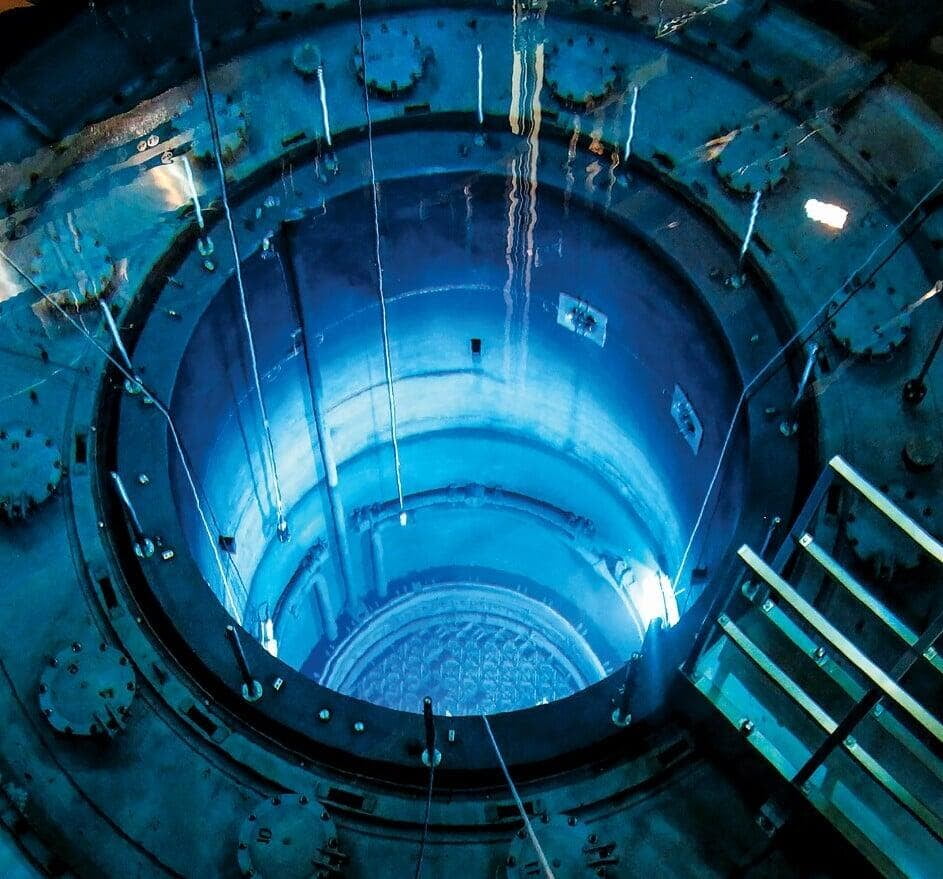
Why Stability Matters
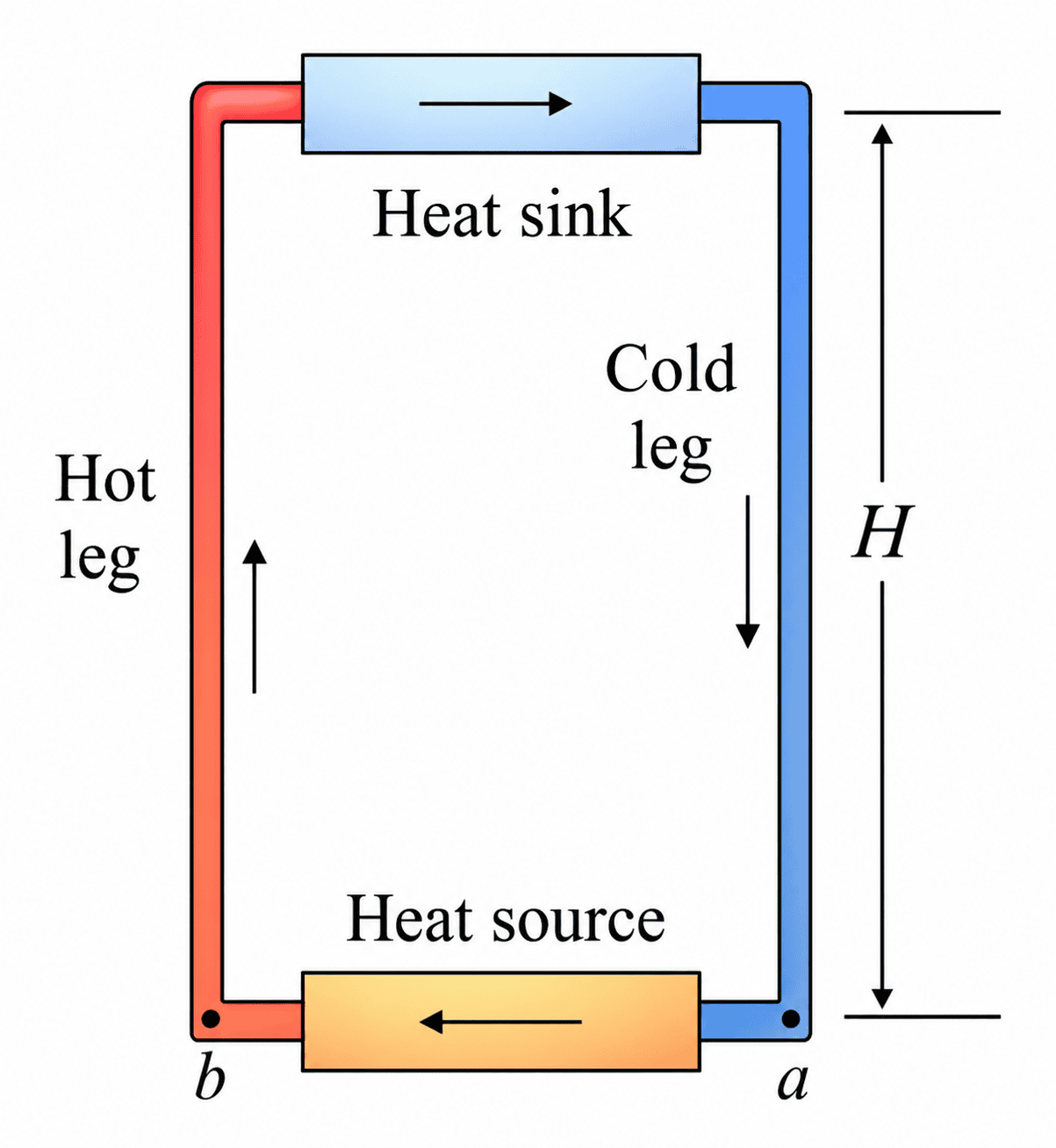
Vijayan et al. (2019) documents two experimentally distinct instability mechanisms in two-phase natural circulation loops. Type I instability is gravity-dominated, triggered under conditions of low power and low quality, and manifests as an exponentially diverging flow excursion (the Ledinegg instability) or an ultra-low-frequency oscillation. Type II instability is friction-dominated, caused by the finite transit time of density waves between the heater and the riser section. This forms a regenerative feedback loop that produces self-sustained oscillations with frequencies ranging from 0.1 to 2 hertz. The two mechanisms are not mutually exclusive. As the loop power increases, the loop will sequentially pass through a stable region, a Type I unstable region, a restabilised region, and then enter a Type II unstable region. This evolutionary sequence cannot be captured by any single steady-state correlation.
Why ब्रह्मा२३/BRAHMA23
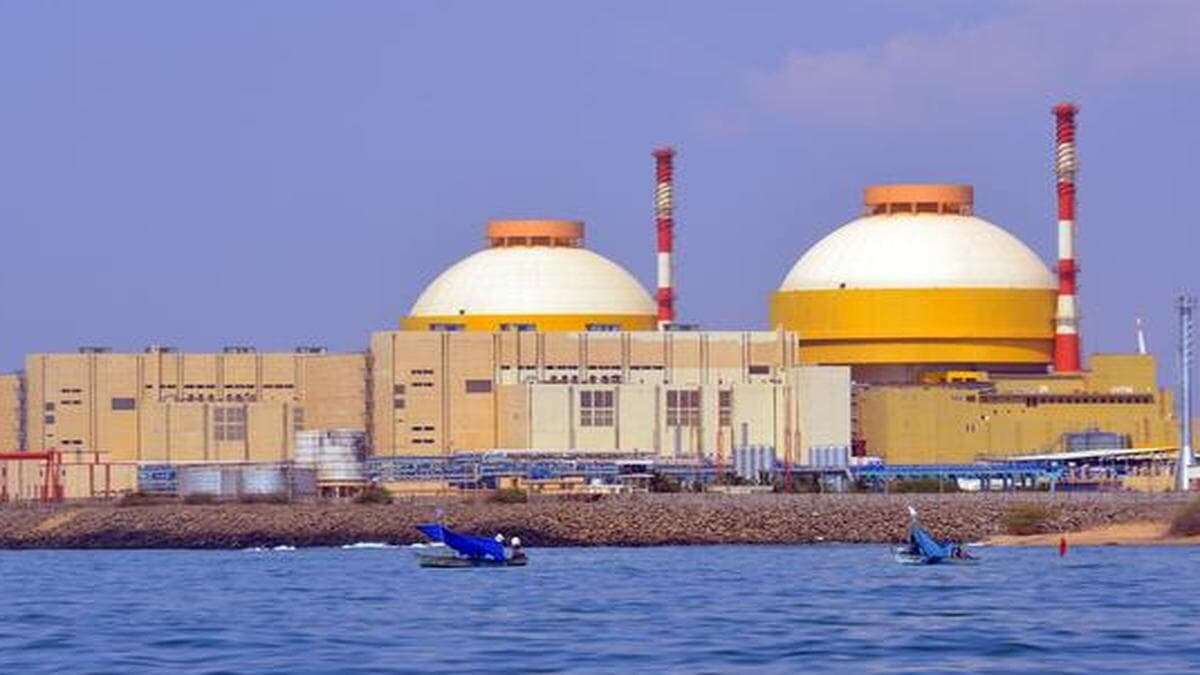
Industry-Scale Limitations
Established industrial codes offer validated simulation capability, but their scale makes them cumbersome for rapid research iteration and exploratory analysis.
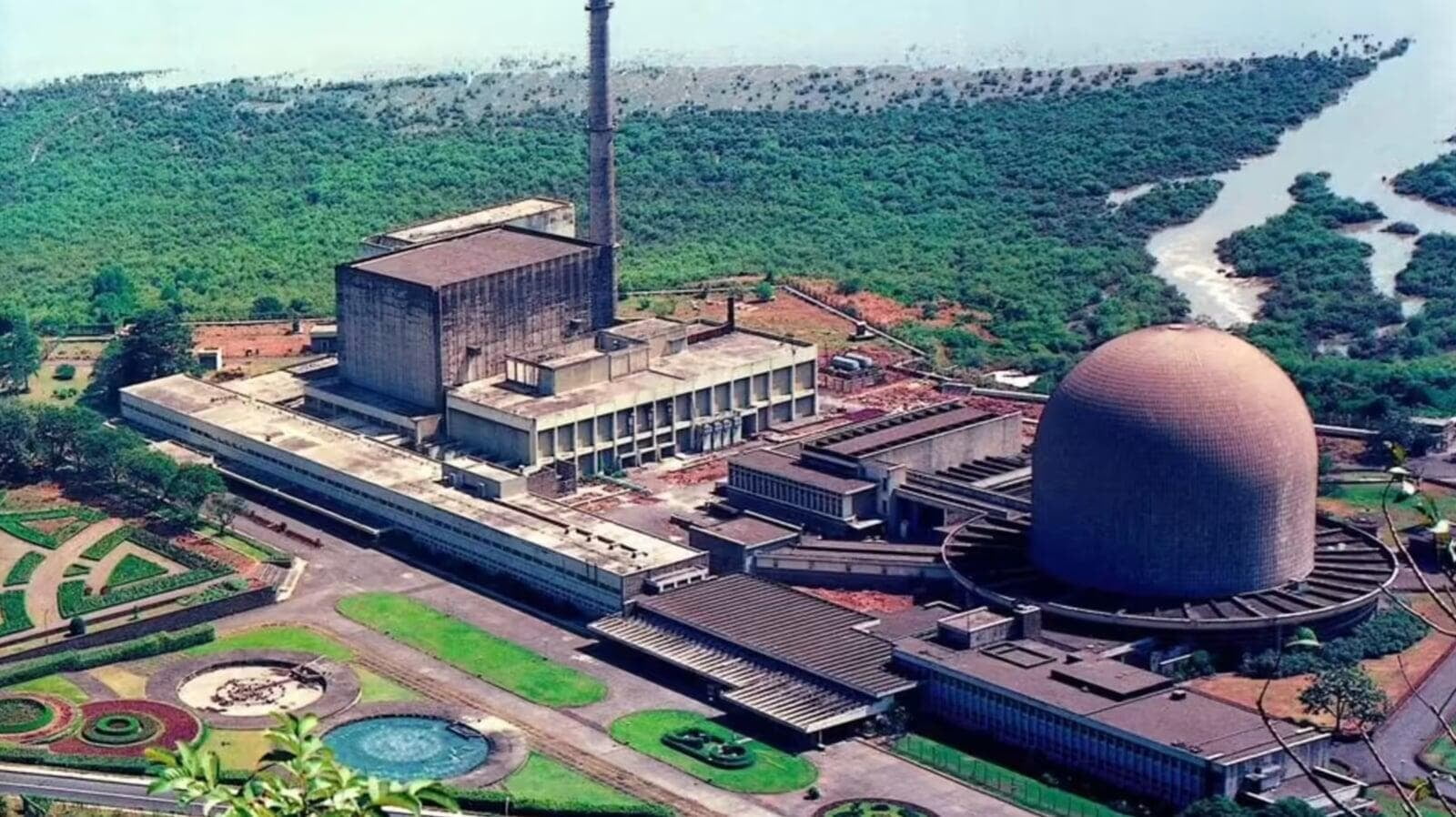
Built for PYTHON, First of Its Kind
ब्रह्मा२३/BRAHMA23 closes this gap as the first Python-based suite of its kind, with a modular and fully transparent architecture designed for extensibility.
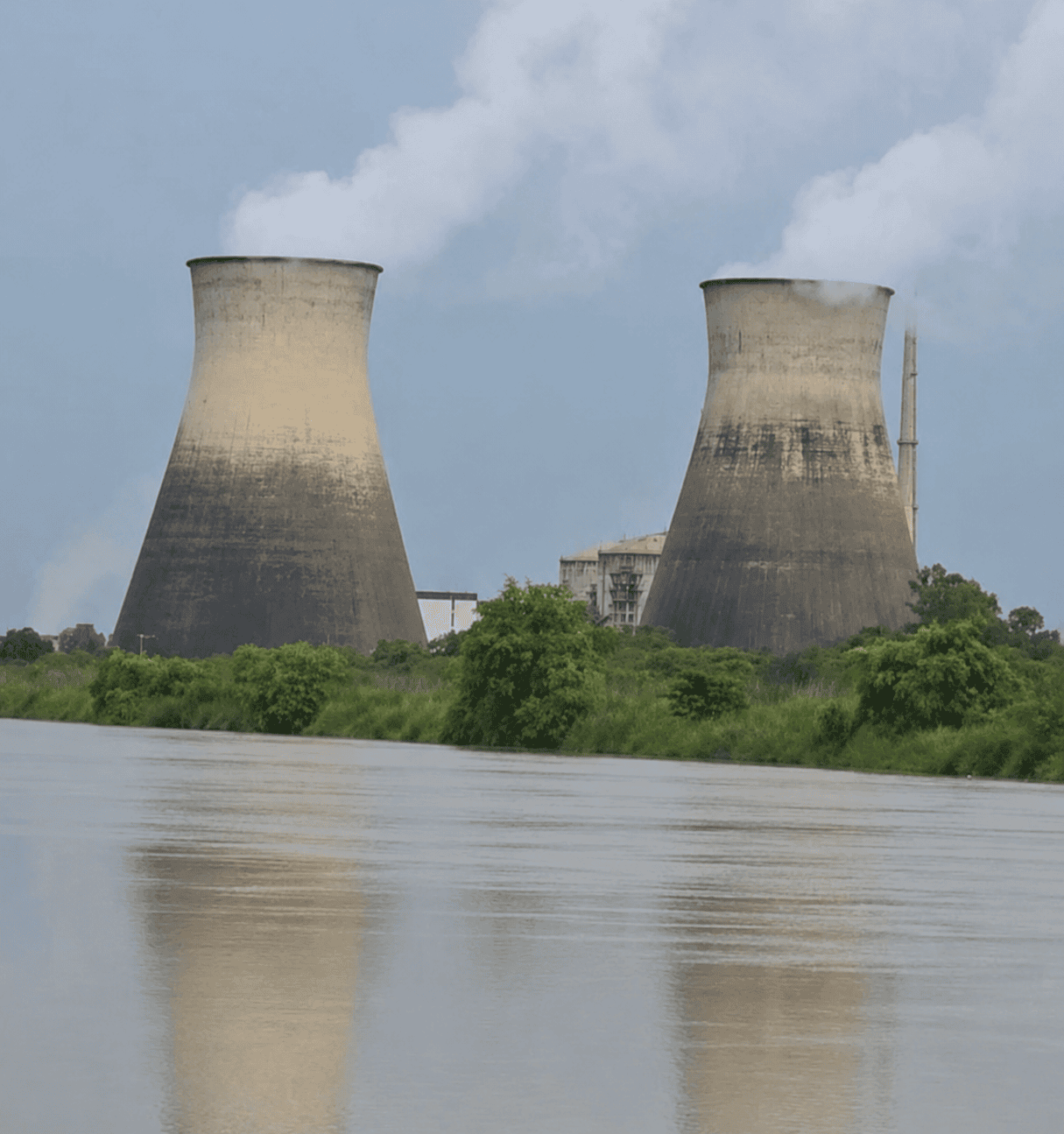
Traceable, Efficient, Reliable
Every equation is directly traceable to published literature, offering a more efficient alternative for natural circulation stability research and test-loop design.
Suite Overview
This modular Python code suite, ब्रह्मा२३/BRAHMA23, contains 8 independent modules for analysing two-phase natural circulation loops (TPNCL) in nuclear reactor systems. It covers a complete analysis chain ranging from basic steady-state loop characterization to full time-domain reactor transient simulation. All physical models follow the notation and equation numbering of Vijayan et al. (2019), enabling direct cross-reference between the code and the source textbook.